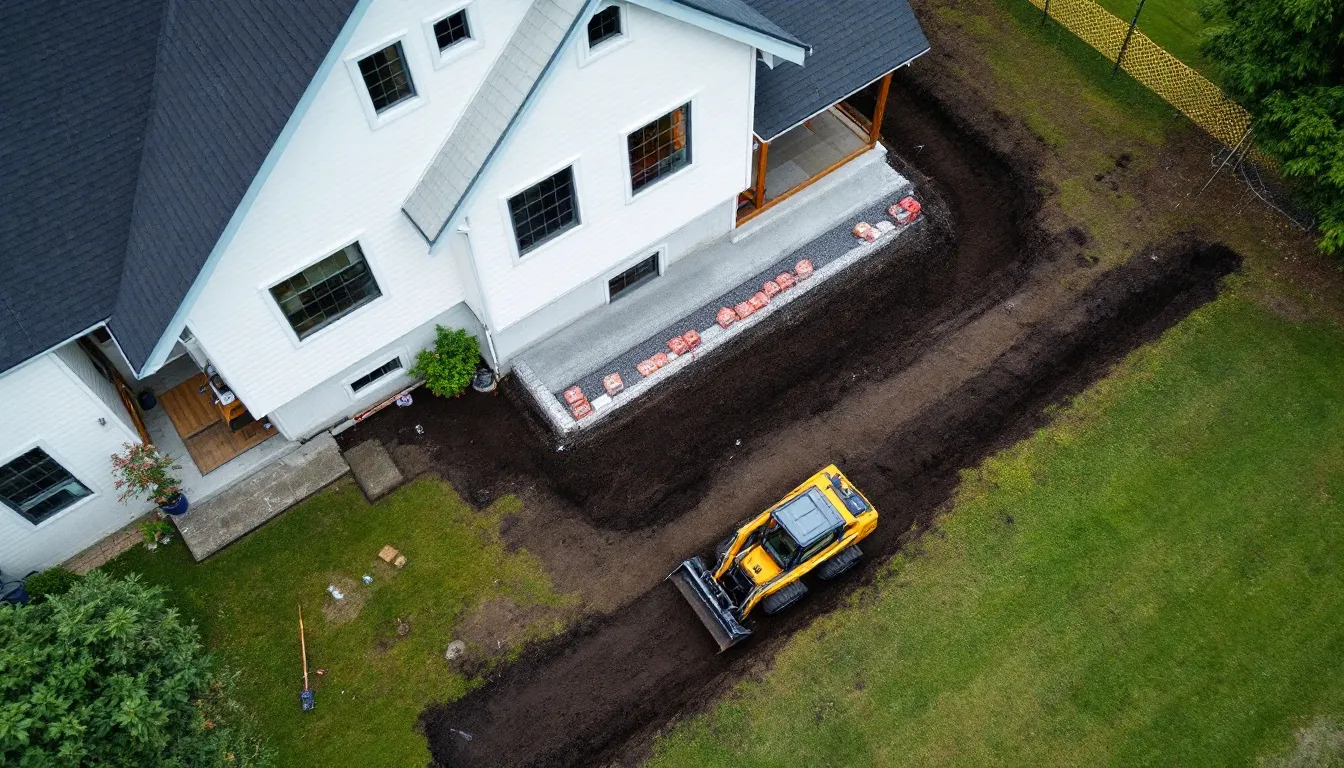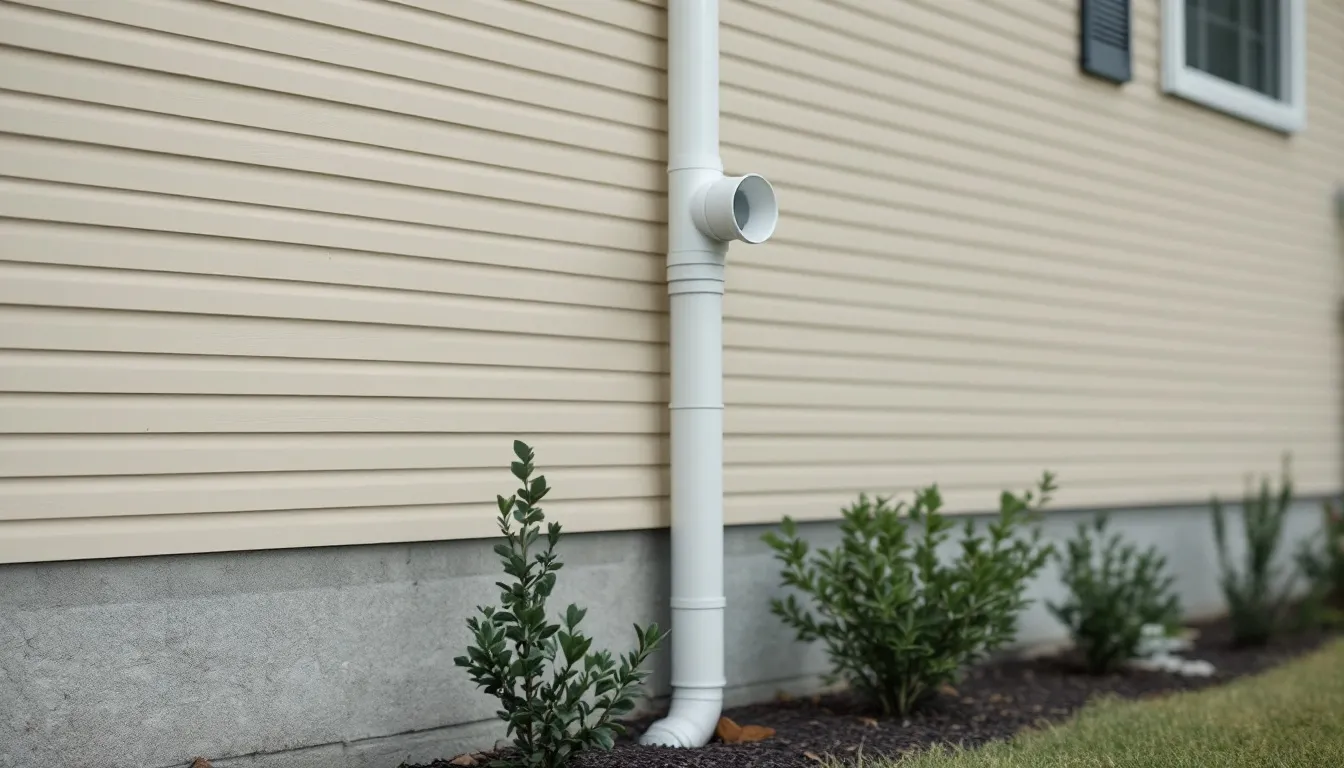
A radon company runs on other people's deadlines
Most home service trades wait for something to break. Radon work is different. Nobody calls because they can see or smell a problem. They call because a test came back, a home inspector flagged it, or a real estate agent said the deal depends on it. The trigger is a piece of paper, and the piece of paper usually comes with a date.
That shapes everything about how a radon business operates. A large share of the calls arrive with a closing date attached. The caller is often not the person who will be home, and sometimes not the person who is paying. The job is rarely one visit. There is a test, then an estimate or an install, then a retest after the system is running, and each step depends on the one before it.
As of October 2026, the radon companies that grow steadily are not necessarily the ones with the most installers. They are the ones that answer the deadline calls first, keep a multi-visit schedule from slipping, and follow up on the quotes that have no deadline pushing them. All three are operations problems, and all three are the kind that software handles well.
This guide walks through the workflow from first call to final retest, mapped to the Run with Jarvis platform. It does not give technical or health guidance. Testing protocols, certification and licensing requirements vary by state, and the EPA's radon resources and your state radon program are the right references for those.
Where radon leads come from
Understanding the lead sources explains why the phone matters so much in this trade.
Home inspections. A buyer's inspector runs a radon test as part of the inspection, and the result lands in the middle of a transaction. Home inspectors are both a source of referrals and, in some markets, a neighboring business. The way an inspection company runs its own intake and scheduling is covered in the home inspection business automation guide, and it is worth reading to understand the people sending you work.
Real estate agents. Agents keep a short list of radon companies and call down it. The first one that answers and can meet the date gets the job. An agent who reaches voicemail does not leave a message. They call the next name.
Homeowners who tested on their own. These callers have a result from a kit or a previous test and want to know what to do next. They have no deadline, they are comparing several companies, and they take longer to decide.
Builders and property managers. New construction and multi-unit properties bring repeat, scheduled work with different paperwork and a different decision-maker.
Past customers. Fans wear out, homes change hands, and a customer from years ago calls about a system you installed. Being able to find that property's record quickly is worth a great deal.
Each source needs different questions at intake, and the cost of treating them all the same is misbooked visits and missed deadlines.
The workflow, and where it breaks by hand
| Workflow stage | What goes wrong manually | What the platform handles |
|---|---|---|
| First call | Installer is in a crawl space; call goes to voicemail; agent calls the next company | AI Receptionist answers 24/7 in English or Spanish and books into the calendar |
| Intake | Closing date, access contact and payer never get asked | The same scripted questions on every call, recorded on the customer record |
| Test placement and pickup | Two visits tracked on paper; pickup forgotten or late | Both visits booked as appointments at once, with reminders |
| Estimate | Quote sent, then nobody follows up | Quote on the customer record; follow-up tracked instead of remembered |
| Install day | Customer not home; crew arrives to a locked house | Confirmation and reminder messages; automatic ETA and arrival SMS |
| Post-mitigation retest | Left as a note to call later, then lost | Booked as an appointment before the crew leaves |
| Documentation | Photos in a phone gallery; results in an email thread | CRM record per customer with history, plus a customer portal |
| Payment | Invoice mailed days later; payer unclear | Invoicing with three payment providers, POS and QuickBooks bidirectional sync |
| Reviews | Asked for occasionally, when someone remembers | Review automation for Google, Facebook and Yelp |
The rest of this guide takes those stages in order.
Layer 1: Answer the call that has a closing date
The foundation is answering. In this trade, the cost of a missed call is unusually easy to see, because the caller had a deadline and went to the next company.
Installers cannot answer. Mitigation work happens in basements, crawl spaces and attics, with drills running and hands full. The people who know the most are the people least able to pick up.
An AI Receptionist answers every call. On Run with Jarvis, the AI Receptionist answers 24/7 in English or Spanish, asks your intake questions, and books into the calendar. Agents and buyers often call in the evening, after the inspection report arrives, and those calls are booked instead of waiting for the morning.
Script the questions that decide the job type. Is the home under contract? What is the closing date or the contingency date? Who is paying, the buyer or the seller? Who will be at the property to give access? Has a test already been done, and who did it? What kind of foundation does the caller describe: basement, crawl space, slab, or a mix? These are all facts the caller knows, and they determine which appointment to book and how long it needs.
Keep the AI out of interpretation. A caller will often ask what their result means or whether the house is safe. That is not a question for an automated system, and it is not a question this guide answers either. The right behavior is to book the visit, offer a callback from a certified person, and point the caller to the EPA for general information. A script that improvises health or technical advice is a liability.
Flag deadline calls so a person sees them. A call with a closing date inside the next week should not sit in a list. It should be visible to whoever runs the schedule the moment it is booked.
Choosing the plan that matches your call volume is mostly a question of minutes, and the reasoning is laid out in how to choose an AI receptionist plan.
Layer 2: The multi-visit rhythm
Radon work is a sequence, and the sequence is where manual scheduling fails.
A test is two visits. Someone places the device, and after the test period someone retrieves it or the result is read. If only the first visit is on the calendar, the second depends on memory. Book both when the first is booked.
The install follows a decision. After the result, there is an estimate and an acceptance. Some companies quote from a phone description and photos, and others visit first. Either way, the install should not be scheduled loosely. It needs a duration that reflects the foundation type and the route the pipe will take, because a job that runs long pushes the next one, and the next one may have a closing date.
The retest follows the install. After the system is running, a follow-up test confirms it is doing its job. The protocol and timing depend on your state program and the testing standard you follow, so this guide does not state a number. What matters operationally is that the retest is a real appointment, created on install day, not a reminder to call the customer at some point.
Access is the hidden problem. In a real estate transaction the caller is often an agent, the home may be occupied by a seller, and the keys may be in a lockbox. Each visit needs a named access contact and a reminder to that person. A crew arriving at a locked house has lost the slot and possibly the deadline. The reminder mechanics that prevent this are in the guide to reducing no-shows with appointment reminders.
Schedule backward from the date. When a closing date exists, the retest result has to be in hand before it. Work backward: retest result, retest placement, install, estimate acceptance, initial test if one is still needed. If the dates do not fit, the caller needs to know on the first call, not three days before closing.
Layer 3: Quotes and the follow-up nobody does
Radon companies have two very different kinds of customer, and they need different handling after the quote.
Deadline customers decide fast. A buyer or seller in a transaction needs the work done before closing. They compare price and availability, and they choose within a day or two. Speed of quote is the whole game. If the estimate goes out the same day and the calendar shows a date that meets the deadline, you are in a strong position.
No-deadline homeowners drift. A homeowner who tested on their own has no date forcing a decision. They collect quotes, intend to deal with it, and get busy. These are the jobs lost to silence. The installer is on a roof or in a basement, the quote is in the customer's inbox, and nobody calls.
Follow up on a schedule, not on memory. A simple sequence works: a message the day after the quote asking whether there are questions, a call a few days later, and another contact a couple of weeks out. Each one is brief and helpful, not pushy. The approach, and how to measure whether it is working, is in the guide to estimate close rate and quote follow-up.
Keep the quote on the customer record. When the homeowner calls back three weeks later, whoever answers should see the quote, the foundation notes and the photos without searching an email inbox.
The platform also has AI outbound follow-up calls for your own leads and customers, covering confirmations, stalled quotes, unpaid invoices and reactivation. It is for people who already contacted you, not cold prospecting. See /pricing for which tier includes it.
Be clear about who pays. In a transaction the payer may be the seller, the buyer, or split by negotiation, and sometimes payment happens at closing. Ask at intake and record it. An invoice sent to the wrong party stalls for weeks.
Layer 4: Documentation and the property record
Radon work produces documents that people other than your customer will read: a buyer, a buyer's agent, a future owner, sometimes a lender or a relocation company.
Photograph the install. The suction point, the pipe route, the fan location, the sealing work, the exterior discharge and the system indicator. These photos show the next person what was done and protect you if the work is questioned later.
Keep results with the job. The initial result, the post-mitigation result, and the dates. A customer selling the house years later will ask for them, and being able to send them in minutes is a reason they recommend you.
Record by property as well as by person. Homes change hands and the system stays. A new owner calling about a fan you installed should be a short conversation, because the address pulls up the history.
Give customers a way to retrieve documents themselves. CRM plus a customer portal is in the Core feature list on Run with Jarvis, so it comes with every plan. A customer who can pull their own paperwork is one fewer call during a busy week.
Permits and inspections vary by place. Some jurisdictions require an electrical permit for the fan circuit, some have specific rules for mitigation installs, and some have none. This guide does not state what your area requires. Check with your local building department and state program, then build the steps into the job so they are not forgotten. A general approach to tracking those steps is in the permits and inspections workflow guide.
Layer 5: Getting paid without chasing
Invoice on completion. The install is done, the customer is satisfied, and the crew is still on site. That is the moment to send the invoice and a way to pay. On Run with Jarvis, invoicing with three payment providers, the POS system and QuickBooks bidirectional sync are in the Core feature list.
Deposits for scheduled installs. If you take a deposit to hold an install date, it should sit on the same record as the final invoice so nobody is billed twice.
Chargeback defense depends on records. The plan list includes chargeback defense. It works best when the quote, the acceptance, the photos and the payment are all attached to one job.
Layer 6: Reviews and referral relationships
Ask every customer. Radon is a trust purchase. The customer cannot see the problem and cannot easily judge the work. Reviews carry a lot of weight with the next homeowner comparing three companies. Review automation for Google, Facebook and Yelp asks consistently after each job, which a busy installer will not.
Do not put words in customers' mouths. Ask for an honest review and leave the content to them. Do not suggest claims about health or outcomes.
Treat agents and inspectors as accounts. A real estate agent who had a smooth experience will send the next deal. That means answered calls, dates met, and results delivered to the right people without being asked. Keep a record of who referred each job so you know which relationships produce work.
Which plan fits a radon company
Core, $500 a month. This covers the stack described above: the AI Receptionist, smart job booking and calendar, GPS tracking and route optimization, automatic ETA and arrival SMS, POS, invoicing and payments, QuickBooks sync, review automation, CRM with customer portal, the mobile app and chargeback defense. It includes 500 AI call minutes with a $0.45 per minute overage. For most one-crew and two-crew radon companies this is the right starting point.
Pro, $750 a month. Pro adds call tracking and analysis: Dynamic Number Insertion, Google Ads and Meta attribution, AI transcription and lead scoring, sentiment and intent analysis, call recording and playback, whisper, barge and transfer, a power dialer with browser softphone, voicemail drop and callback scheduling. It includes 1,000 minutes at $0.40 overage. It fits a company that advertises and wants to know which source produces booked installs, or one with an office team worth coaching.
Elite, $1,200 a month. Elite adds the marketing tools: AI campaign builder for Google Ads, AI landing pages, ad copy and image generation, Meta ads management, Google Business Profile management, AI review replies, LSA lead management, competitor intelligence and the Jarvis AI Assistant. It includes 2,500 minutes at $0.35 overage.
All three have zero setup fees, unlimited users and are month-to-month. The argument for running intake, scheduling, documents and payments in one system is set out in all-in-one platform vs disconnected point tools.
Illustrative arithmetic
The numbers here are made up to show the method. Replace them with your own.
Say a radon company receives 180 calls a month and the average call lasts four minutes. That is 720 minutes. On Core, 500 are included and the remaining 220 are billed at $0.45, which is $99, for a total of $599. On Pro, all 720 fall inside the 1,000 included minutes, for $750. On call volume alone Core is cheaper in this example, and the reason to choose Pro would be the attribution and call analysis, not the minutes.
Now the other side. Say that before answering every call, 30 of those 180 calls went to voicemail, and that 6 of the 30 were jobs you would have won. If an average install is worth $1,400 to you, that is $8,400 a month in work that went to the next company on an agent's list. Your figures will differ. The exercise is worth doing once with real call logs, because it turns a vague sense of missed calls into a number.
A sensible rollout order
Answering first. Every later step depends on the call being captured.
Then intake questions, so closing dates, access contacts and payers are recorded on the first call.
Then the multi-visit schedule, with test pickup and retest booked as appointments.
Then reminders to the access contact, so crews stop arriving at locked houses.
Then quote follow-up, starting with the homeowners who have no deadline.
Then photos and results on the property record.
Then review requests after every completed job.
Only after that, if you are advertising, consider moving up for attribution.
The short version
Radon work is triggered by a document and governed by a date. The call with a closing deadline has to be answered the first time. The job is a sequence of visits, and each one should be a real appointment with a named access contact. Quotes without a deadline need scheduled follow-up or they go quiet. The records you keep will be read by people you never meet.
None of that requires more installers. It requires that the phone, the calendar, the customer record and the invoice are the same system. To see it against your own job mix, review the plans on the pricing page or get in touch.